


Type "paddleboarding near me" into Google and you get a map covered in blue: lakes, rivers, canals, harbours, beaches. It all looks paddleable. Some of it is. Some of it needs a licence, some of it belongs to a water company that will ask you to leave, and some of it is the kind of water where an offshore breeze carries a beginner half a mile out before they notice.
This guide is the bit the map doesn't tell you. Where you're allowed on the water in each part of the UK, whether you need a licence, the safety kit that actually matters, and six well-known beginner spots to start with.
The short version
- Start on calm, sheltered water with a hire centre or lesson nearby: a lake, a quiet harbour or a slow river.
- Most canals and many rivers in England need a waterways licence. Paddle UK membership includes one.
- Wear a buoyancy aid, carry your phone in a waterproof pouch on your body, and use the right leash.
- Never paddle in an offshore wind. It's the RNLI's top warning for paddleboarders.
- In an emergency on the coast, call 999 and ask for the Coastguard.
How do I find somewhere to paddleboard near me?

Start with water where paddling is known, allowed and easy to get help on, then branch out once you've got your balance.
- Hire centres and lesson providers. Search for a paddleboard school near you. They launch from water they're allowed on, and they'll teach you to get back on the board, which is the skill that matters most.
- Lakes with public launch points. National park authorities list where you can get on. The Lake District boating pages have lake guides showing piers and jetties, for example.
- Paddle UK's waterway search. Its website has a lookup to check whether a river or canal is covered by its licence, and a Places to Paddle series of routes.
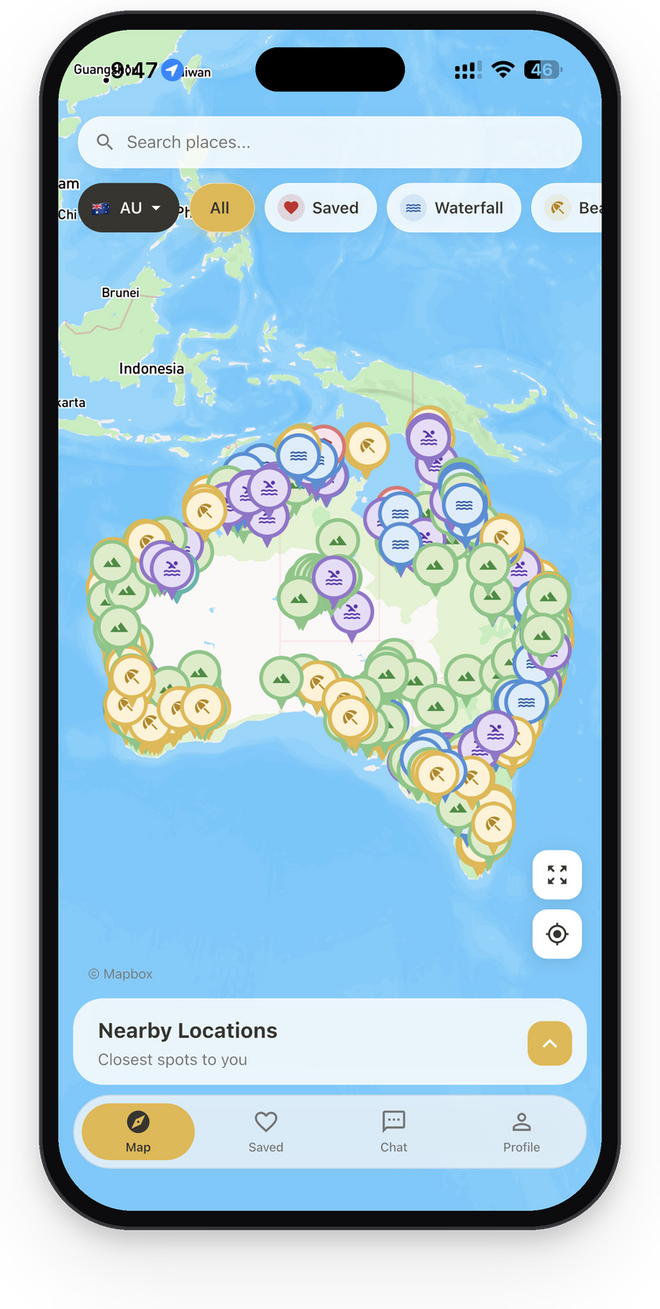
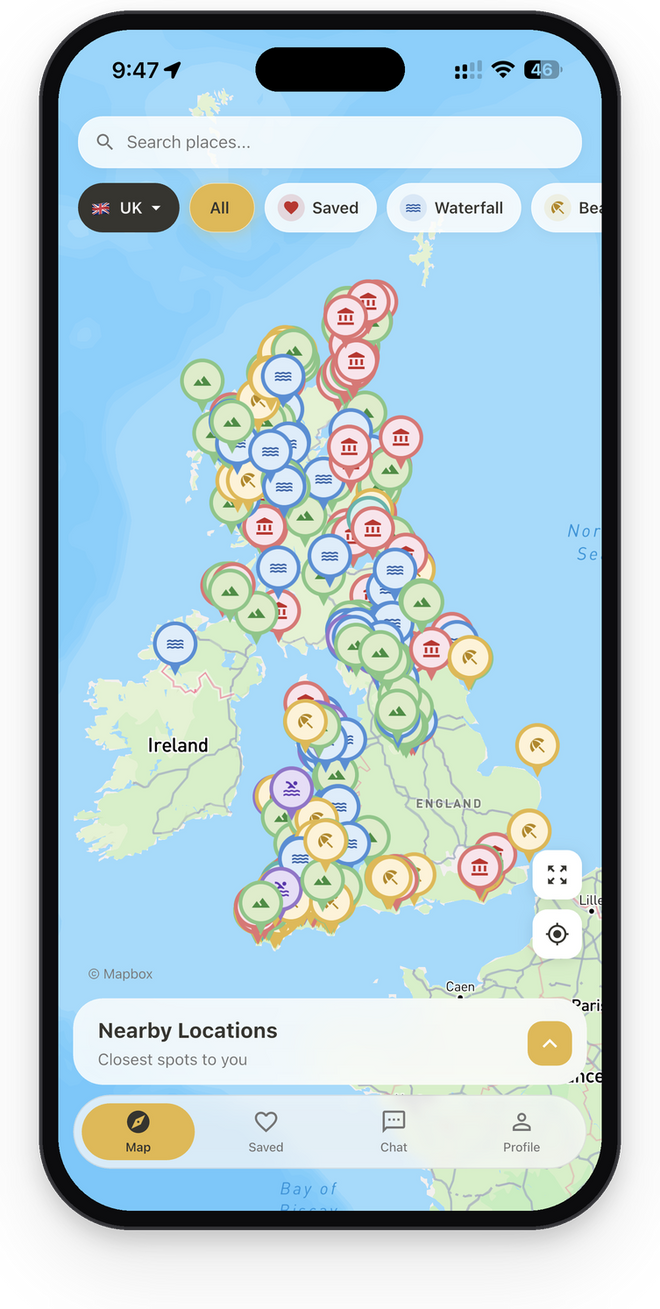
- The Sole Drift app. It maps 500+ spots across the UK, including lakes, river pools and coves, each with parking, access and a "good to know" warning.
Top tip: look at the wind forecast before the weather symbol. A sunny day with a strong breeze is a much worse paddle than a grey, still one.
Do I need a licence to paddleboard in the UK?
Sometimes. It depends on who looks after the water. As of November 2026, a paddleboard counts as a boat on licensed waterways, so the same rules apply to you as to a canoe or kayak.
In England, the big two are the Canal & River Trust (most canals and some rivers) and the Environment Agency (rivers such as the Thames, Medway and parts of the Wye). Paddle UK, which used to be called British Canoeing, says its On The Water membership includes a waterways licence covering more than 4,500 km of rivers and canals. That includes Canal & River Trust and Environment Agency waters, plus the Broads Authority and a few other navigations. You can also buy short licences straight from the Canal & River Trust and the Broads Authority if you only paddle now and then.
Lakes, reservoirs and harbours are different again. Each has its own owner and its own rules, which can mean a launch permit, a fee or a total ban.
| Licence to paddle | Right to get on the water | |
|---|---|---|
| England | Needed on Canal & River Trust, Environment Agency and Broads waters. Paddle UK membership covers them | No general right. Use public launch points, licensed navigations or places with the owner's permission |
| Wales | Needed on the few licensed navigations. Canoe Wales membership includes a licence for paddlers who live in Wales | No general right. Some lakes need a launch permit (Llyn Tegid does) |
| Scotland | No waterways licence | Right of responsible access to most inland water under the Scottish Outdoor Access Code, if you paddle responsibly |
| Northern Ireland | No general licence | No general right of access. Canoe NI trails have agreed access and launch points |
Heads up: reservoirs are mostly off limits. Water companies ban paddling on many of them because the water is cold, deep and full of hidden pipes and outlets. Only paddle where the owner runs or allows it, like the watersports centre at Rutland Water. The same goes for swimming: see our Peak District wild swimming guide for why.
What do I need to stay safe?

The RNLI's paddleboarding advice boils down to four things, every time you go out: wear a buoyancy aid, carry a phone in a waterproof pouch on your body, use the right leash, and avoid offshore winds.
Offshore winds are the big one. Wind blowing off the land feels calm at the water's edge, because the land shelters you. A few hundred metres out it's stronger, and standing on a board you're basically a sail. Paddling back into it is exhausting. If the wind is blowing out to sea or across a big lake away from your launch, don't go.
The leash keeps you attached to the board, which is the biggest thing that floats near you. Most boards come with an ankle leash, and the RNLI warns it may not suit where you paddle. On rivers and any moving water, use a quick release waist leash and never an ankle leash: if an ankle leash snags on a branch, a bridge pier or a weir, the current can hold you under and you can't reach your ankle to free it.
Weirs are the river danger people underestimate. The water below a weir recirculates, so a person or a board can get held in the stopper. Get out well upstream and walk round. Never paddle over one.
- Buoyancy aid that fits your weight and chest size
- The right leash: quick release waist leash on rivers
- Phone in a waterproof pouch on your body, not on the board
- Wetsuit or drysuit outside summer
- Whistle
- Warm layers and a hat for after
- A friend on the water or on the bank
- Someone at home who knows where you've gone
Sole Drift app
Get the app
Planning a first paddle? Sole Drift shows lakes, coves and river spots with parking, access and safety notes. 500+ spots across the UK.
Cold water, tides and water quality
UK water is cold all year, and falling in is part of learning. Cold water shock makes you gasp and breathe fast for the first minute or so, and that's when people breathe in water. If you go in and struggle, follow the RNLI's Float to Live advice: lean back, spread your arms and legs, and float until your breathing settles. Then climb back on the board.
On the coast, check the tide times as well as the wind. A falling tide in a harbour or estuary can pull you towards the sea faster than you can paddle, and it can leave you stuck on mud. Plan to paddle on the slack water around high tide, close to shore.
Before you get wet, check the water itself. The Environment Agency's Swimfo shows the rating for designated bathing waters in England, and the Safer Seas and Rivers Service shows live sewage overflow alerts at many spots. Avoid rivers for a day or two after heavy rain, and stay off water with blue-green algae scum on it.
- Check the wind. Direction first, then strength. No offshore wind.
- Check the water. Tides on the coast, river levels after rain, bathing water and sewage alerts.
- Tell someone. Where you're launching and when you'll be back.
- Stay close to shore. Paddle into the wind first, so it brings you home when you're tired.
- If it goes wrong. Stay with your board. On the coast, call 999 and ask for the Coastguard. Inland, call 999.
Six beginner-friendly places to paddleboard in the UK
These are well-known, mostly calm places with somewhere to hire a board or take a lesson nearby. They're a starting point, not a guarantee: conditions change with the wind on any of them.
1. Derwentwater, Lake District

The spotA fell-ringed lake right next to Keswick, and the Lake District's own pick for beginners.
The national park's paddleboarding safety tips name Derwentwater as the lake that suits beginners, and suggest staying off it when the wind is over 12 knots (on Ullswater, the limit they give is 10 knots). Early mornings and late afternoons are calmer, with fewer boats. Keswick has hire and lessons by the launch jetties. For walks round the lake, see our Lake District waterfalls guide.
2. Loch Lomond, Loch Lomond and the Trossachs
The spotScotland's best-known loch, with sheltered bays along the east shore and the islands in the south.

Scotland's access rights make Loch Lomond easy to paddle legally, but the loch has its own byelaws. As of November 2026, the National Park Authority says only motorised craft need registering, and that under 16s must wear a lifejacket on any moving vessel, powered or not. It's a big loch with fast boats and wakes, so stick to the shallow bays. More spots nearby in our wild swimming in Scotland guide.
3. Llyn Padarn, Llanberis, Eryri
The spotA long glacial lake below Yr Wyddfa (Snowdon), with flat water and slate quarry views.
Canoe Wales suggests launching at the Gilfach Ddu lagoons near the National Slate Museum, where there's a café, toilets, a pay and display car park and a watersports centre with hire. It also says there are sheltered bays when the open water gets windy. The lake is in Padarn Country Park, so check its guidelines before you go.4. Poole Harbour, Dorset
The spotA huge natural harbour with shallow, sheltered water and islands to paddle round.
Paddle UK has a Places to Paddle route round Arne and Round Island, and Poole Harbour Commissioners publish a code of conduct for paddleboarders. It's shallow, which is great until the tide drops and leaves you on the mud. Plan round the tides and keep clear of the shipping channels.
Heads up: a harbour is still the sea. Watch for offshore winds, ferries and fast boats, and check the tide before you launch.
5. River Wye, Hay-on-Wye to Chepstow
The spotA slow, wooded river through the Wye Valley, with a long stretch where the right to paddle is settled.
The Environment Agency's River Wye Paddle Guide says there's a confirmed public right of navigation from Hay-on-Wye down to Chepstow. That doesn't give you a right to use the bank, so launch from public launch points. Above Hay the right is disputed. It's a river, so this is where the quick release waist leash matters, and the level rises fast after rain in the Welsh hills.
6. Rutland Water, Rutland
The spotA huge reservoir, and one of the few where paddleboarding is properly organised.
Anglian Water's park FAQ says paddleboards launch through the on-site Watersports Centre, so this isn't a turn up and paddle anywhere lake. That's the point: you get a controlled launch, staff on the water and hire if you don't own a board. Swimming is only allowed at the designated beach.

Camping near the water? Our best campsites in the UK guide has lakeside and coastal options. And if you'd rather be in the water than on it, start with wild swimming near me.
Lessons, hire or your own board?
Start with a lesson if
- You've never stood on a board
- You want to learn to fall off and get back on
- You plan to paddle rivers or the sea
- You don't know the local water
Buy your own when
- You've paddled a few times on hire boards
- You know which water you'll use most
- You've got the right leash and buoyancy aid too
- You've sorted a licence if you need one
A lesson is the fastest way to get good, and most hire centres sit on water where you're allowed to paddle. When you do get your own board, clean it between lakes and rivers so you don't carry invasive plants and animals from one water to the next.
Questions people ask
Do I need a licence to paddleboard in the UK?
On many English canals and rivers, yes. Canal & River Trust and Environment Agency waters need a licence, which Paddle UK membership includes. Scotland has no waterways licence, and lakes and harbours set their own rules.
Where can I paddleboard for free?
In Scotland, most lochs and rivers under the Scottish Outdoor Access Code. Elsewhere, look for public launch points on lakes, the sea and confirmed navigations like the River Wye below Hay. Licensed canals and organised reservoirs charge.
Is paddleboarding safe for beginners?
Yes, on calm, sheltered water with the right kit: a buoyancy aid, a phone in a waterproof pouch, the right leash and no offshore wind. A lesson is the safest start.
Should I use an ankle leash or a waist leash?
On rivers and moving water, always a quick release waist leash, never an ankle leash. On flat lakes and the sea, a leash of some kind keeps you with your board.
Who do I call if I get into trouble?
On the coast, call 999 and ask for the Coastguard. Inland, call 999.
Pick calm water, check the wind, and keep your first few paddles short.
Check the wind and the rules before you launch, take your litter home, and give wildlife and nesting birds plenty of room.